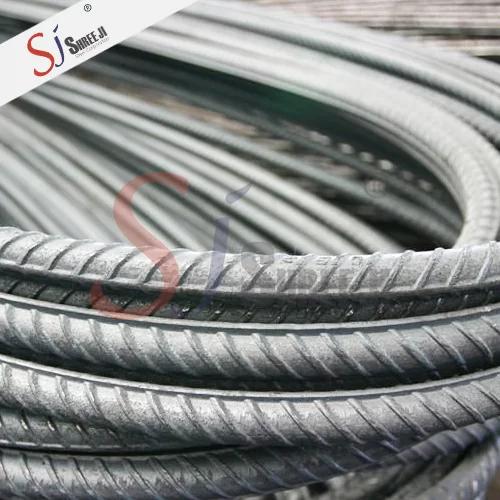
Introduction – Why Sustainable Steel Matters
Sustainability has become a key focus in modern construction and manufacturing. As industries shift toward eco-friendly practices, steel continues to stand out as one of the most sustainable materials available. It’s strong, durable, endlessly recyclable, and designed for long-term use — making it the backbone of sustainable infrastructure.
At Shree Ji Steel Private Limited, we are proud to supply sustainable steel products that meet both structural and environmental standards. Here are the 7 major reasons why steel is considered one of the most sustainable materials in the world.
1. Steel Is 100% Recyclable
A Material That Never Goes to Waste
One of the most remarkable qualities of steel sustainability is its recyclability. Unlike many other materials, steel can be melted down and reused multiple times without losing its strength or quality.
Every piece of recyclable steel can be transformed into a new product — from construction beams to automotive parts — reducing the need for raw material extraction. This process helps conserve natural resources, minimizes waste, and significantly lowers the environmental footprint.
2. Energy Efficiency in Steel Production
Modern Manufacturing for a Greener Future
Thanks to advancements in technology, the steel manufacturing process today is far more energy-efficient than ever before. New methods such as the Basic Oxygen Furnace (BOF) and Electric Arc Furnace (EAF) allow manufacturers to reuse scrap steel, reducing both energy consumption and CO₂ emissions.
Leading producers, including Shree Ji Steel Private Limited, source their eco-friendly steel responsibly, ensuring compliance with global energy and environmental standards. This makes steel a key player in sustainable construction and green infrastructure.
3. Durability and Long Lifespan
Built to Last for Generations
Another reason steel is considered sustainable is its exceptional durability. Structures built using construction steel can last for decades — or even centuries — with minimal maintenance. This reduces the need for frequent replacements, saving both material and energy in the long run.
From skyscrapers and bridges to homes and factories, steel structures provide long-term value, reducing the total environmental impact over the lifecycle of a building.
4. Reduced Carbon Footprint Through Reuse
Sustainable Construction Practices
Reusing steel components is a growing trend in sustainable construction. Unlike concrete or timber, steel can be easily dismantled, repurposed, and reused in new projects without losing structural integrity.
This process reduces waste generation and minimizes carbon emissions during demolition and reconstruction. By choosing steel as a sustainable building material, developers contribute directly to circular economy practices — where nothing goes to waste, and everything gets reused.
5. Steel Enables Sustainable Architecture
Supporting Smart and Green Building Design
Sustainable steel allows architects and engineers to design buildings that are both eco-friendly and energy-efficient. Its flexibility and strength make it ideal for lightweight, high-rise, and modular construction, reducing material waste and increasing design efficiency.
Moreover, steel’s thermal performance helps reduce energy consumption in buildings by maintaining better insulation and temperature control. This combination of strength, design freedom, and energy efficiency makes steel a smart choice for sustainable architecture.
6. Minimal Environmental Impact During Production
Cleaner Manufacturing, Cleaner Planet
Modern steelmaking processes are designed to reduce air and water pollution. The use of advanced filtration systems, waste heat recovery, and closed-loop water cycles ensures that steel production is more environmentally friendly than ever before.
Many global and Indian producers — including Shree Ji Steel Private Limited — follow eco-conscious practices such as recycling scrap metal and optimizing furnace efficiency. The result is sustainable steel that meets the needs of both construction and conservation.
7. Steel Supports a Circular Economy
Sustainability Beyond Construction
One of the biggest reasons steel is called a sustainable material is its role in the circular economy. In this model, materials are continually recycled, reused, and repurposed to eliminate waste.
Steel fits perfectly into this cycle — it never loses its properties and can be recovered from demolished structures, reprocessed, and used again. This ensures that even after decades of use, steel remains a valuable resource contributing to a cleaner, greener planet.
Shree Ji Steel Private Limited – Your Partner in Sustainable Construction
At Shree Ji Steel Private Limited, we believe that building a better future begins with responsible choices. As one of India’s leading steel suppliers and wholesalers, we are committed to providing eco-friendly, sustainable steel products that help customers reduce their environmental impact.
Why Choose Our Steel Products
-
High-quality, long-lasting materials
-
Environmentally responsible manufacturing
-
Competitive pricing and on-time delivery
-
Suitable for residential, commercial, and industrial projects
Our mission is to promote sustainable construction steel solutions that meet modern building demands while protecting the environment.
Conclusion:
The 7 reasons above make it clear — steel is one of the most sustainable materials on Earth. It’s recyclable, durable, energy-efficient, and endlessly reusable, making it a cornerstone of green building and responsible manufacturing.
With companies like Shree Ji Steel Private Limited leading the way in sustainable steel supply, the future of construction in India is not only stronger but also greener.
Leverage the power of sustainable steel to build your most ambitious architectural project. Get the highest quality of TMT steel from one of the top mild steel channel suppliers in India, Shreeji Steels. Connect with us at sales@shreejisteelcorp.com or visit https://shreejisteelcorp.com/contact-us/ for more information.